Powell River Top General Contractor for Home Renovation Services
General Contractor: Your Optimal Professional for Household Endeavors
A general contractor assumes a fundamental role in home projects. They manage various aspects of building, ensuring that everything runs smoothly. Their expertise with construction codes and compliance requirements enables them to overcome the complexities of permits and evaluations. This expert serves as a key connection between homeowners and subcontractors. However, many homeowners stay unsure about the total scope of their services. Understanding these details can have significant bearing on the triumph of any renovation effort.
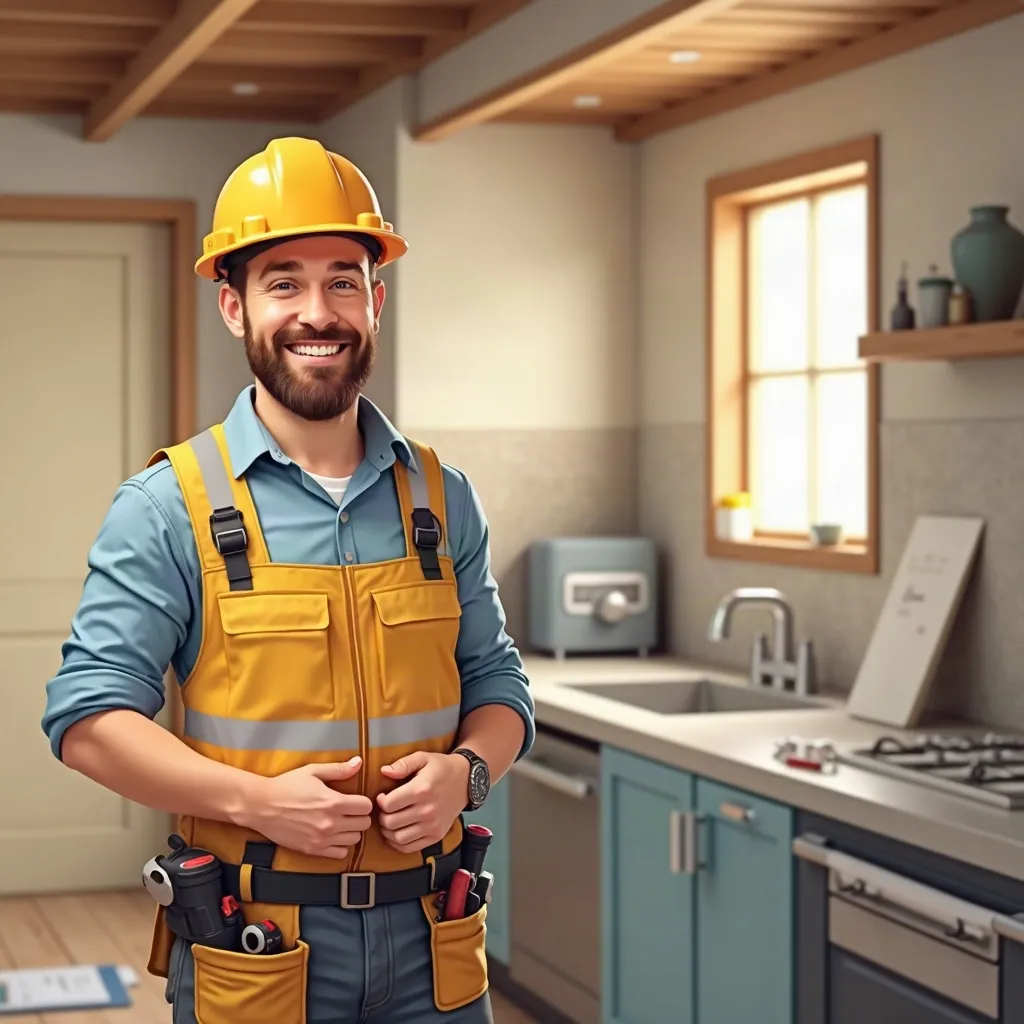
What Is the Role of a General Contractor Handle?
A general contractor directs the multiple aspects of a construction project, making certain that everything runs smoothly from initiation to completion. They serve as the chief communication hub, managing dialogue between project owners, trade contractors, and material providers. This role involves structuring the work schedule, coordinating labor, and verifying conformity with area construction rules and regulations.
General contractors are responsible for obtaining necessary permits and scheduling inspections, which are essential to maintaining safety and quality standards. They also manage budgeting, sourcing materials, and managing on-site activities to mitigate any potential delays or issues. In addition, they supervise subcontractors, ensuring that each phase of construction conforms to project specifications and timelines. Overall, a general contractor's knowledge and management abilities are essential to delivering a successful construction project, transforming a client's vision into reality while managing multiple duties and obligations.
Benefits of Hiring a General Contractor for Home Renovations
Hiring a general contractor for home renovations offers numerous advantages that can significantly improve the efficiency and quality of the project. General contractors bring expertise in project management, making sure deadlines are achieved and funds are distributed effectively. Their strong connections with specialized tradespeople can lead to improved rates and excellent craftsmanship, which ultimately saves homeowners both money and time.
Additionally, general contractors coordinate the intricate details of documentation and quality checks, curbing potential legal issues. They also provide a single point of contact, simplifying exchanges and synchronization among various trades. This streamlining diminishes the risk of miscommunications and interruptions.
Additionally, their background allows them to identify potential challenges, permitting quick fixes to stay on track the project on schedule. By bringing on a general contractor, homeowners can concentrate on their vision while obtaining peace of mind, knowing that a professional is managing every aspect of the renovation.
Refuting Common Myths About General Contractors
Although many property owners may have erroneous ideas about contracting professionals, grasping the facts can lead to more informed decisions. A widespread myth is that hiring a general contractor is unnecessary for small projects; still, their expertise can streamline even small-scale renovations, ensuring compliance with local codes. Another frequent belief is that general contractors are just middlemen, but they often have comprehensive knowledge in various trades, allowing them to direct projects smoothly. Moreover, some homeowners assume that working with a contractor will significantly increase costs. In reality, a skilled general contractor can often obtain better deals for materials and labor through long-standing relationships with vendors and subcontractors. Lastly, many think that contractors are unbending, but reliable contractors focus on client communication and work closely to satisfy specific needs. Clearing up myths can empower clients to harness the true value of contractors when completing positive home projects.
How to Choose the Right General Contractor?
How can homeowners ensure they select the right general contractor for their projects? The procedure begins with comprehensive investigation. Property owners should seek recommendations from friends, family, and online reviews to check article locate potential candidates. Once a list is assembled, confirming qualifications, such as licensing, bonding, and insurance, is vital to confirm credibility.
Next, property owners should request and review portfolios of past projects, concentrating on assignments of comparable size. Setting up interviews allows homeowners to assess fit, discussing schedules, costs, and requirements. It's also advisable to obtain multiple quotes for comparison, providing a better grasp of costs.
Assessing references offers understanding of a contractor's dependability and expertise. Finally, relying on your gut feeling is essential; an initial meeting can uncover a contractor's communication style and approach. By implementing these procedures, homeowners can substantially improve their odds of choosing a general contractor who matches their project needs and vision.
Effective Communication Strategies For Your General Contractor
How might homeowners apply strategies to secure effective communication with their general contractor? Setting up direct communication from the commencement is vital. Homeowners must clearly express their goals, project targets, and cost parameters during preliminary talks. Consistent information can be supported through planned discussions, guaranteeing that both parties stay synchronized throughout the project.
Applying written documentation, such as project documentation and emails, strengthens spoken commitments and decreases misunderstandings. Homeowners should likewise foster open communication by welcoming feedback and questions from the contractor, fostering a collaborative environment.
Furthermore, taking advantage of technology, such as project management apps, can ease team dialogue by creating a centralized platform for relaying updates, timelines, and changes. Finally, practicing respect and approachability can deepen mutual understanding, allowing for it to be more straightforward for the contractor to discuss challenges or suggestions in a meaningful way. By putting into practice these techniques, homeowners can nurture a productive and honest relationship with their general contractor.
Things to Know When Your Undertaking Launches?
As the work commences, homeowners can look forward to a rush of action on-site. The lead contractor will coordinate teams of skilled tradespeople, along with electricians, plumbers, and carpenters, who will get started their work following the set schedule. Homeowners may witness heavy machinery and materials being brought in, fostering a vibrant atmosphere.
Staying in contact is essential during this phase. The contractor will deliver information on progress made and address any worries that surface. Homeowners should be prepared for potential disruptions, such as noise and limited passage to particular areas of the home.
Safety safeguards will be in place to shield both workers and residents, ensuring a secure atmosphere. Additionally, homeowners may be encouraged to maintain flexibility, as unforeseen issues can arise, demanding adjustments to the original plan. Overall, this initial phase establishes the foundation for the successful completion of the project, and active engagement is essential.
Fundamental Questions for Your Overall Contractor Agreement?
Identifying the proper inquiries to pose when concluding a general contractor agreement is crucial for ensuring a seamless project. Homeowners should ask about the contractor's permit and protection to verify their credentials and protection against risks. Understanding the project timetable and benchmarks is important; therefore, asking about estimated completion dates helps manage expectations.
It is also critical to set contractual agreements, comprising initial contributions and payment arrangements, to circumvent misinterpretations. Homeowners should demand a detailed breakdown of expenditures, covering raw materials and work, to confirm transparency. Furthermore, exploring the framework for tackling changes or unforeseen issues can preclude conflicts subsequently.
To wrap up, homeowners must look into information about subcontractors and their experience, as well as the contractor's communication strategy throughout the project. By tackling these questions, property owners can maintain a strong partnership with their primary contractor, ultimately enabling a successful home improvement project.
Popular Questions Posed Often
In What Manner Do General Contractors Charge for Their Services?
Contractors usually charge through fixed fees, hourly rates, or a proportion of the overall budget. Their pricing model may also contain building materials, work performed, and business expenses, subject to the project's complexity and scope.
Can a General Contractor Assist With Documentation and Evaluations?
Yes, a construction professional can aid in obtaining permits and managing inspections. They generally work through local codes and maintain compliance, simplifying the workflow for homeowners while providing necessary authorizations throughout the building endeavor.
What Qualities Should I Hunt for in a General Contractor?
When choosing a general contractor, one should consider credentials such as licensing, insurance, expertise with similar work, solid recommendations, and effective communication skills, guaranteeing they have the necessary expertise to oversee the project successfully.
What Timeframe Should You Expect for a Standard Home Remodeling Venture?
A everyday home renovation project can extend anywhere from a few weeks to several months, influenced by the extent, difficulty, and size of the project, as well as the availability of materials and labor.
What Transpires if My Undertaking Surpasses Cost Allowance?
If a project exceeds the budget, the contractor typically discusses the causes and alternatives with the homeowner. Changes may include reducing scope, obtaining more funds, or modifying the project parameters to match budget constraints.